
Tools e-commerce
Opening a tool store takes a clear strategy and careful planning. Start with real market research: what your potential customers need, and where the competition leaves gaps. Then write a business plan that sets out the store's goals, pricing, marketing and the costs and revenue you expect. Location matters as well, because visibility and easy access drive the number of people who walk in. Line up tool suppliers you trust, local and international, so you can carry quality products across the categories that sell. An inventory management system keeps stock levels sensible and logistics tight. You will also need a website or an e-commerce platform so customers can buy online. Customer service and after-sales technical support are what turn a first order into a long relationship. After that it comes down to keeping up with market trends and what customers want, and putting money behind promotion and marketing.
Is a tool store a good idea?
It can be. Tools sell steadily across construction, renovation, DIY and gardening, and that demand does not disappear. A growing crowd of DIY enthusiasts, tradespeople and building and renovation firms are always looking for tools they can rely on. Spread your range across hand tools, power tools, specialist tools and accessories and you pull in all of them. There is room to sell more than products, too: repairs, technical advice and equipment rental add value for customers and open extra revenue lines. New technology in the tools industry keeps creating further room to grow. None of it comes free, though. You have to know the market, plan the range deliberately and market it well. Competition is real, so you will have to stand out somewhere: products nobody else carries, sharper prices, or service people talk about.
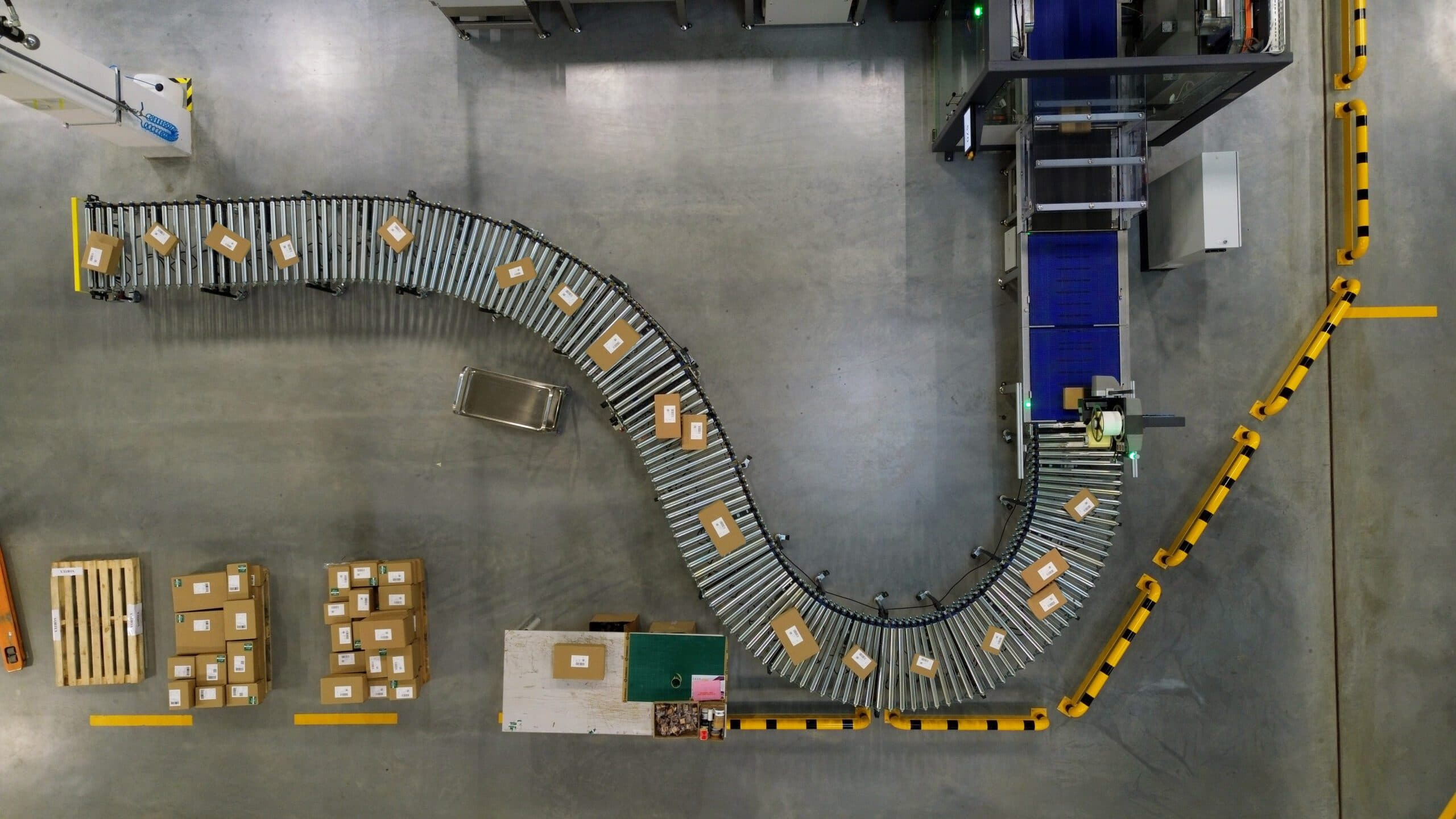
Logistics and range management for a tool store
Logistics and range management are the base a tool store runs on: deliveries that never slip, customers who come back. Deciding what to stock means reading the market and watching what buyers are actually shopping for. Holding the right stock level is the other half of it, low enough that you are not paying to warehouse dead inventory, high enough that your best sellers never run out. Steady relationships with trusted suppliers let you react when demand shifts and keep your prices competitive. A proper warehouse management system (WMS) shows stock in real time, automates order handling and helps you use the floor space well. Just-in-time practices cut delivery times and give you more room to move on inventory. Getting products to customers counts just as much, and that comes down to planning routes and picking the right logistics partners. Keep sharpening those processes and customer satisfaction holds, which is what carries a store over the long run.
Why tool stores choose Completio
On-time shipping
Our robots pack a parcel in about 3 seconds.
Error-free picking
Quality control and scanning at every step.
Scaling through sales peaks
We take on volume growth without backing up the warehouse or customer service.
Platform integrations
Base, Allegro, Shopify, WooCommerce, PrestaShop.
See how much you can gain by switching
We'll get back to you within 24h to talk about your business.