
WMS integration
WMS, or Warehouse Management System, is the software that moves data automatically between your online store and the warehouse. Connect the two and you make fewer mistakes and spend less, while still shipping fast in the weeks when orders pile up.
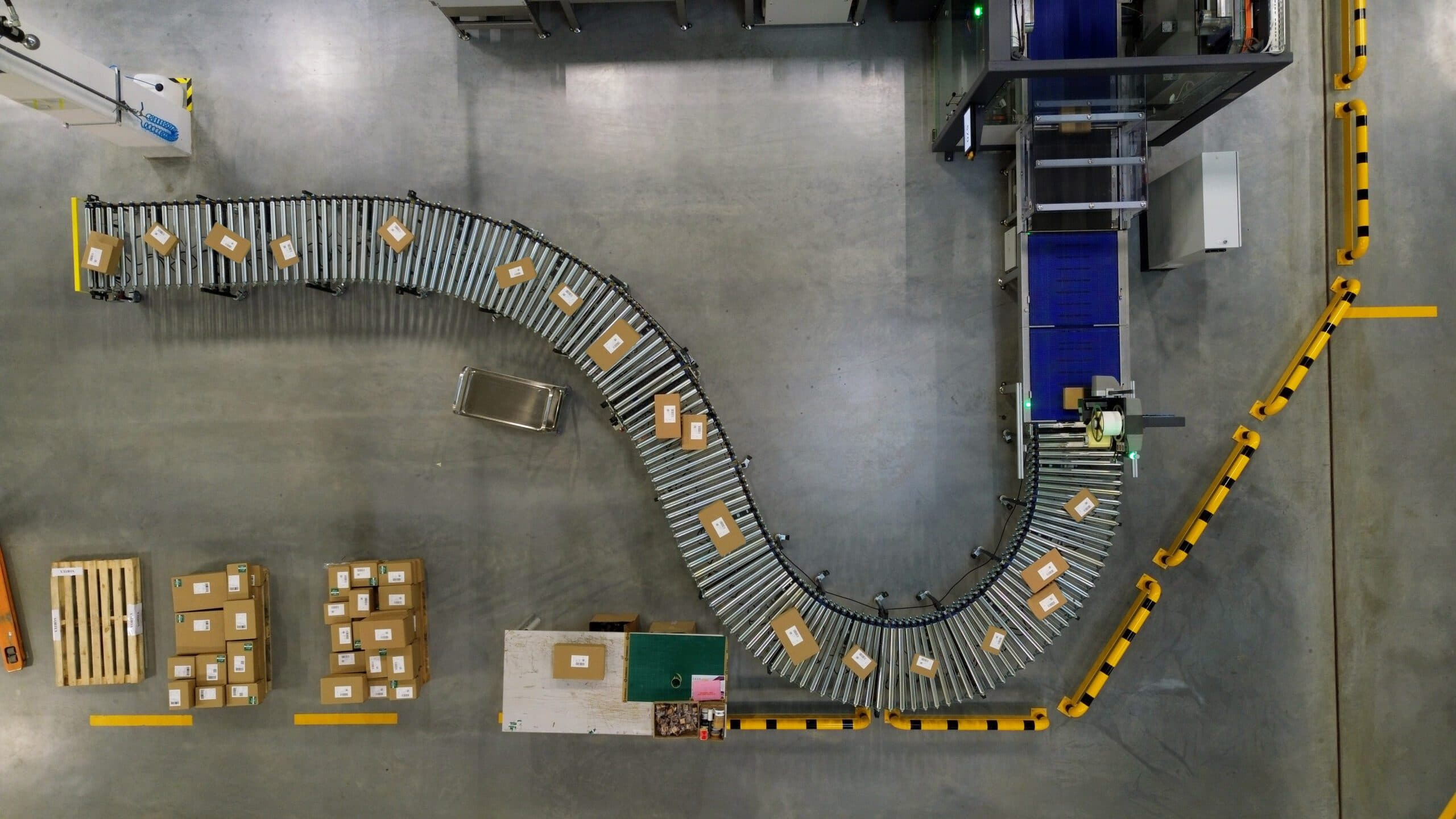
What is WMS and why does it matter in e-commerce?
WMS stands for Warehouse Management System. In plain terms, it's software that gives you oversight of every stage of warehouse work: booking products into stock, putting them away on shelves, picking orders, packing, shipping and handling returns. Connect a WMS to your online store and every piece of information about orders and stock levels stays in sync.
Sync log preview: an order flows from the store through Completio WMS to the carrier, and the status returns to the store.
- Shopify
- WooCommerce
- Base
- Allegro
Why WMS is catching on
As e-commerce has grown, so has the demand for logistics that is both efficient and reliable. Customers want fast delivery. Store owners want fewer packing errors and the room to scale when orders come in thick and fast. Without automation and clean data exchange, on-time shipping and full control over inventory are hard to hold onto. Many companies still picture logistics as storing goods and sending parcels. Modern fulfillment covers the whole order-handling chain, and the WMS is what holds it together. Instead of ticking off by hand which product went out, the system records every movement of goods on its own. That takes out a large share of mistakes and shows you exactly what is happening with your products.
What does rolling out a WMS in a warehouse look like?
Step 1: Requirements analysis
First you agree with your logistics operator on what you actually need: your order volumes and anything specific about your products, such as cosmetics that have to be kept at a controlled temperature.
Step 2: Integration design
The IT team builds the connection between your store, Shopify or WooCommerce for example, and the WMS. Orders should land in the warehouse on their own, while shipment statuses and stock levels flow back to your store.
Step 3: Testing
Before the integration goes live, you check that it all works: that shipping labels come out correctly and stock levels move in step with the orders being fulfilled.
Step 4: Production launch
Once the tests come back clean, the integration goes live and your orders run start to finish on automation.
The technical pieces of a WMS that matter most
Labels are generated automatically. The moment an order is placed in your store, the WMS sends the courier label to print, which takes real time out of picking. Stock levels update in real time as well, so customers only ever see products you actually have on the shelf.
The system also sends email or SMS notifications to tell buyers their parcel is on its way. The process becomes easy to follow, and your brand easier to trust.
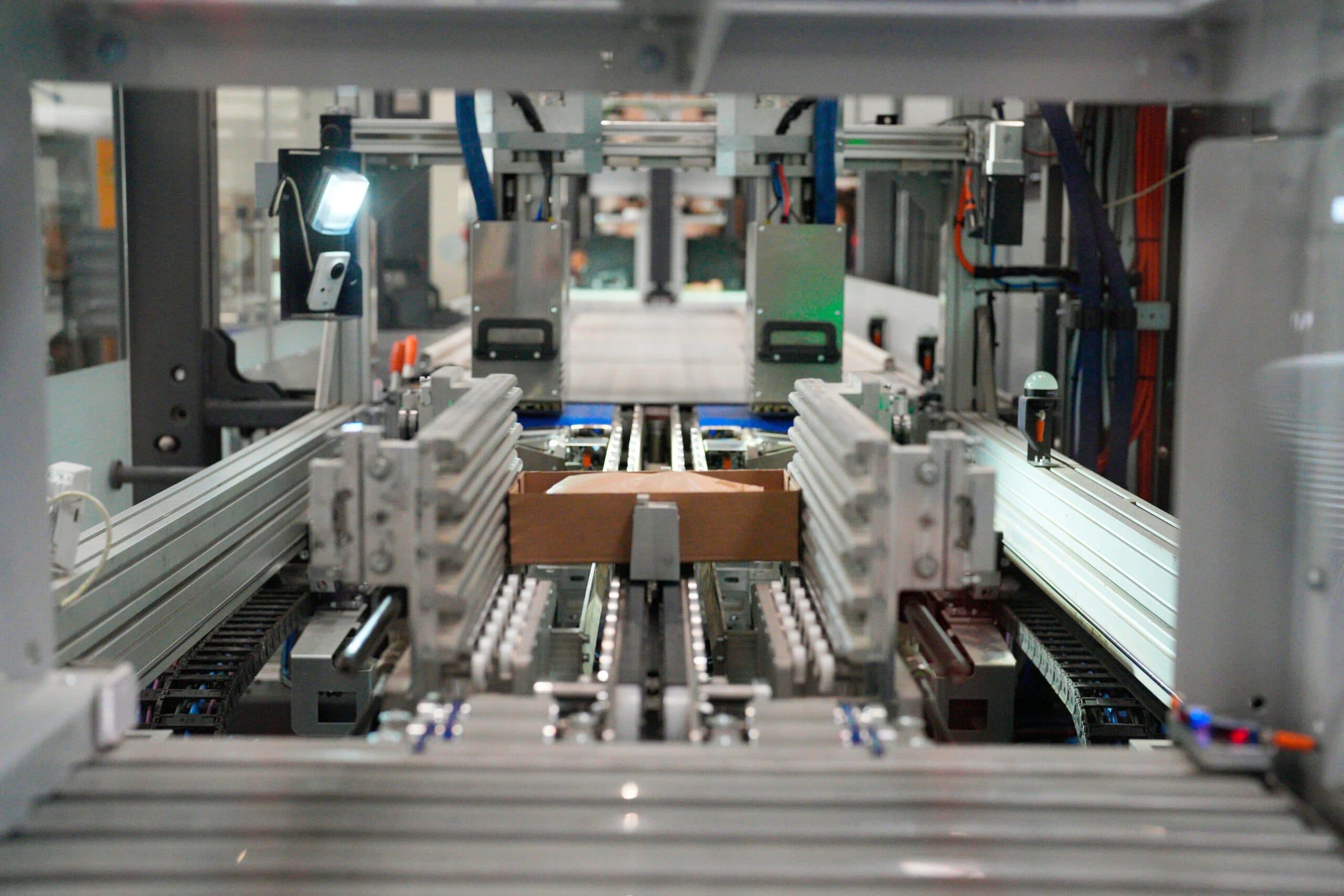
Key benefits of WMS integration for e-commerce
Fast shipping you can promise
With the integration in place, picking starts almost the moment an order is registered in your store. Automating that step removes the risk of an order slipping through or the wrong item going into the box, which matters most when volumes are high. Parcels move quickly enough for you to offer express options, such as shipping within 24 hours. That builds trust: customers notice when a delivery lands on time and the handling is right.
Costs under control
Seeing stock levels in real time lets you monitor inventory closely and plan restocking properly. Less stock sits idle in the warehouse, so you pay less for the space it occupies. Automation cuts errors too, and with them the cost of returns and reshipping. Inventory managed well plus operating costs stripped out adds up to a much better return on investment, which is what a growing e-commerce business runs on.
Scaling when demand spikes
When order numbers jump, during seasonal sales, Black Friday or the run-up to the holidays, a WMS integration lets the warehouse run at far higher throughput. With the data and the processes automated, people and machines, packing robots included, can be redeployed quickly to meet the load. Your company handles hundreds or even thousands of orders a day without giving up quality or missing dates, and that is a large part of staying competitive.
Better returns handling and marketing
A WMS integration also improves how returns are handled, which counts for a lot in e-commerce. The system registers an incoming return on its own, so refunds get processed quickly and stock goes back where it belongs. It makes personalization easy to slot in as well: flyers, gadgets or other marketing materials added to a parcel. Every order can go out fast and carry something extra that reflects well on your brand and keeps customers coming back.
IT integrations and in-house resources
Behind the WMS rollout at Completio sit an in-house IT team, an open API and ready-made integrations with the major sales platforms.
In-house IT team
Our own developers keep the integrations running around the clock and answer tickets in hours, not days, with no agency sitting in the middle.
Custom integrations
Ready-made plugins for Shopify, WooCommerce, Base and Allegro, plus connections we build ourselves for non-standard sales platforms.
API
An open REST API with documentation and a sandbox environment, so you can exchange order and stock data in real time.
Automations
Rules that automate label generation, routing orders to packing stations and stock updates. You configure them without pulling in a developer of your own.
WMS and ERP integration
Connecting a WMS (Warehouse Management System) to an ERP (Enterprise Resource Planning) system is how a modern company keeps the warehouse and the business in step, and e-commerce moves fast enough to make that worth doing. The WMS automates warehouse work: receiving goods, picking, packing, shipping and returns. The ERP pulls together the data that runs the company: finance, sales, production and logistics. Join the two and warehouse operations follow the business strategy, stock levels stay visible, and you can react quickly when demand shifts.
Every movement of goods in the warehouse is recorded and passed straight to the ERP, which makes inventory planning precise, costs easier to manage and the supply chain easier to optimize. Reports generate themselves, stock levels update in real time, and problems surface early. The company holds tighter control over its operations, orders go out on time and customers are happier for it.
The same pairing lets you scale quickly when demand spikes, because both systems process and analyze the data between them. You get full use of your resources, with less room for errors and costly downtime. It speeds up shipping, and it gives you solid ground to build on when you go after growth and a competitive edge.
How does Completio support WMS integration?
At Completio we run a modern WMS built for e-commerce. It lets us automate order handling end to end, from goods arriving, through picking and shipping, to any returns that come back. Our IT team connects your store platform and adapts the integration where your requirements are out of the ordinary.
As your e-commerce grows, we add processing capacity and warehouse space to match. Planning to sell abroad? Our WMS supports international shipping too, so parcels get there quickly and without extra paperwork.

Your account manager · support while you roll out WMS at Completio
An advanced WMS is half of what you get at Completio. The other half is an account manager assigned to you, who stays with the project through every stage of the rollout. That means one specialist who understands how your e-commerce business actually works, goes through what you need and shapes the setup around your business model. Your account manager works directly with your IT people, coordinating the connection between your store platform and the warehouse system so data syncs automatically, shipping labels generate on their own and stock levels stay in view. With one person owning the process, the rollout runs smoothly and there is far less room for errors or delays. You get to concentrate on sales and strategy, knowing the logistics side is in safe hands and running to a higher standard.
WMS · the foundation of e-commerce logistics
A WMS integration is what makes e-commerce logistics run smoothly. You ship faster, make fewer packing errors and plan stock better, which shows up as savings and as happier customers. The IT behind it also gives you room to scale through your busiest sales periods.
If you're wondering where your current logistics stands and whether you're getting everything you could out of automation, get in touch. We'll work out together where your e-commerce business is today and how best to put a WMS integration in place, so you can get back to growing sales instead of fighting the warehouse.
See how much you can gain by switching
Fill out the form. We'll get back to you within 24h to talk about your business.
- A reply from our sales team within 24h
- Store integration in days, not weeks
- Real-time statuses in your store
Prefer to talk? +48 22 888 51 01
See how much you can gain by switching
We'll get back to you within 24h to talk about your business.